Dentures are an effective way to restore your smile, but they don’t always function like natural teeth. Many denture wearers notice changes in their eating habits, food choices, and overall comfort while chewing. These adjustments can impact nutritional intake, especially if certain foods become difficult to chew.
Understanding how dentures relate to nutrition—and how implant support can help—can empower you to make choices that keep your smile and your body healthy.
How Dentures Can Change Your Eating Habits
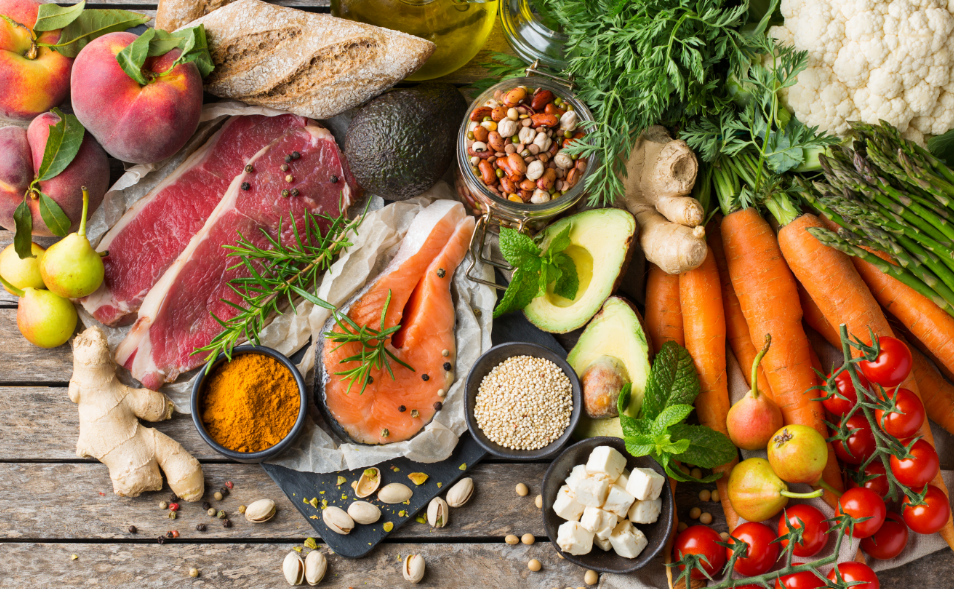
Traditional dentures rest on top of the gums, which limits how much force you can use when chewing. Without the stability and bite strength of natural teeth, many patients begin to avoid foods that are tough, crunchy, or fibrous. Items like fresh vegetables, nuts, whole fruits, and lean meats can require more chewing power than dentures comfortably allow.
Over time, choosing softer alternatives may lead to gaps in nutrition. For example, skipping raw vegetables can mean missing out on important vitamins and minerals. Avoiding high-fiber foods can affect digestion, and opting for softer, processed items may add unnecessary sugars or starches to your diet. While dentures restore chewing ability, these limitations can subtly shift the balance of your meals.
Why Chewing Ability Matters for Nutrition
Chewing is the first step in the digestive process. When food isn’t broken down well in the mouth, your body has a harder time extracting nutrients. Dentures can reduce chewing efficiency by up to 75 percent compared to natural teeth, which often leads people to swallow larger pieces of food or avoid tougher textures entirely.
When this happens, nutrient absorption can decrease, especially for foods high in fiber, protein, and essential vitamins. Over time, this may contribute to issues like fatigue, poor digestion, and unintended weight loss.
How Implant Dentures Can Help
Implant-supported dentures offer a significant improvement in stability and chewing strength. Instead of resting on the gums, these dentures attach to dental implants that are embedded in the jawbone. This connection allows you to bite and chew with much more force, closely mimicking the performance of natural teeth.
With better stability, many patients find they can comfortably eat a wider variety of foods again, including fruits, vegetables, and proteins that may have been difficult to enjoy with traditional dentures. This often leads to improved nutrition, greater confidence while eating, and an overall better quality of life.
Tips for Improving Nutrition with Dentures
Even without implants, small adjustments can help you maintain a balanced diet. Try cutting tougher foods into smaller pieces, steaming vegetables to soften them, or choosing lean proteins that are easier to chew. Drinking plenty of water during meals can also make swallowing more comfortable. Your dentist may offer additional guidance tailored to your specific denture fit and chewing ability.
With the right approach, dentures don’t have to stand in the way of good nutrition.
A stronger bite and a more nutritious diet may be closer than you think.
About the Practice
At Spiro Saati, DMD, patients receive personalized denture solutions designed for comfort, function, and long-term health. Dr. Saati offers traditional dentures as well as implant-supported options that can significantly improve chewing ability and nutrition. With a commitment to restoring both smiles and confidence, our practice helps patients enjoy a fuller, healthier range of foods.
Call us at (978) 548-6243 or request an appointment online.